Free UK Shipping | Enquire for Worldwide

£290.00
WWII German Panzer II Tank Armour Plate Fragment – Battle Damaged – Dunkirk 1940 – 17mm Rolled Armour – Rare Battlefield Relic
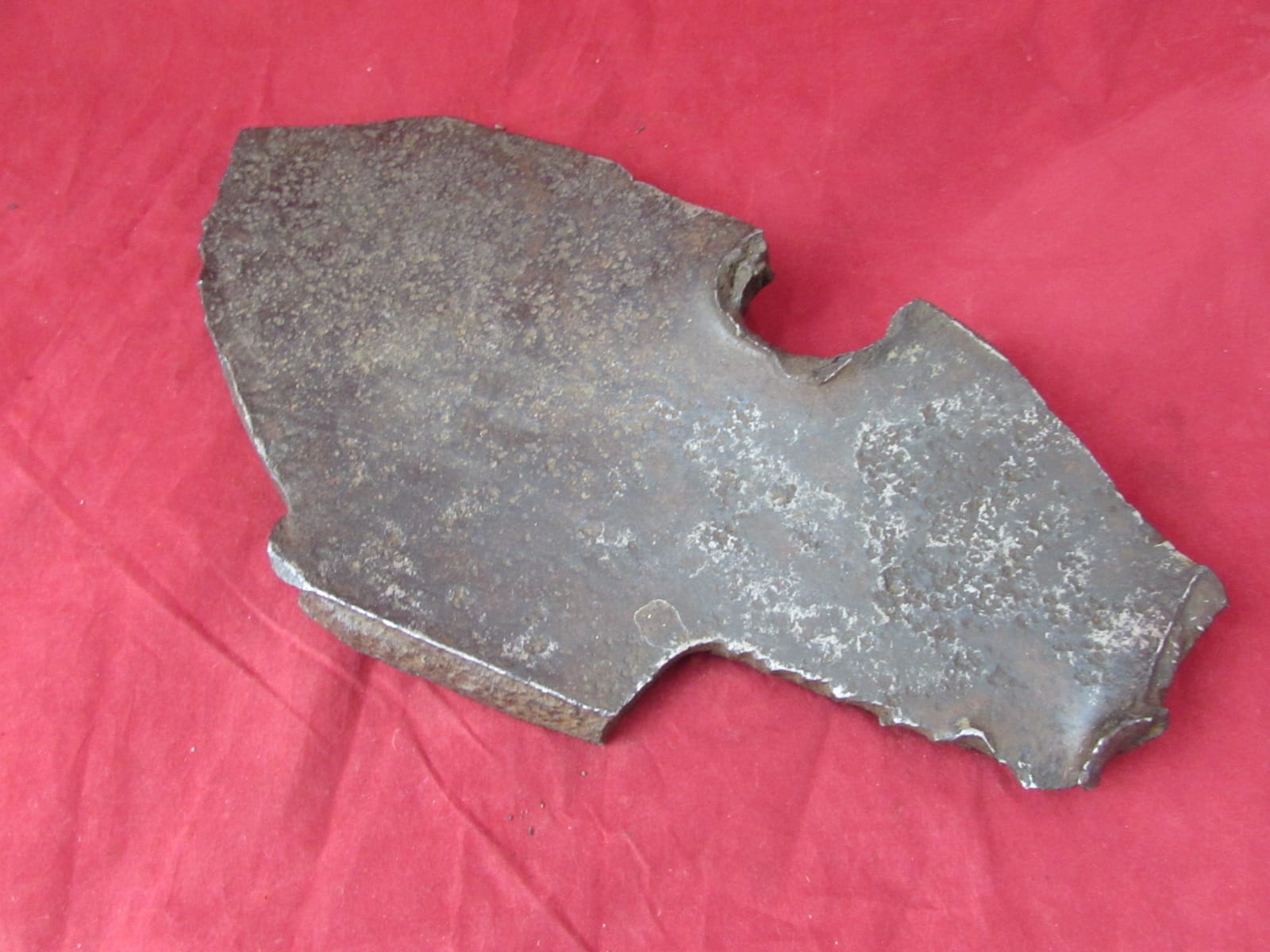
A fascinating and evocative original Second World War German armour plate fragment, recovered from the Dunkirk area of Northern France, and believed to originate from a Panzer II light tank destroyed during the Battle of France in 1940.
WWII German Panzer II Tank Armour Plate Fragment – Battle Damaged – Dunkirk 1940 – 17mm Rolled Armour – Rare Battlefield Relic
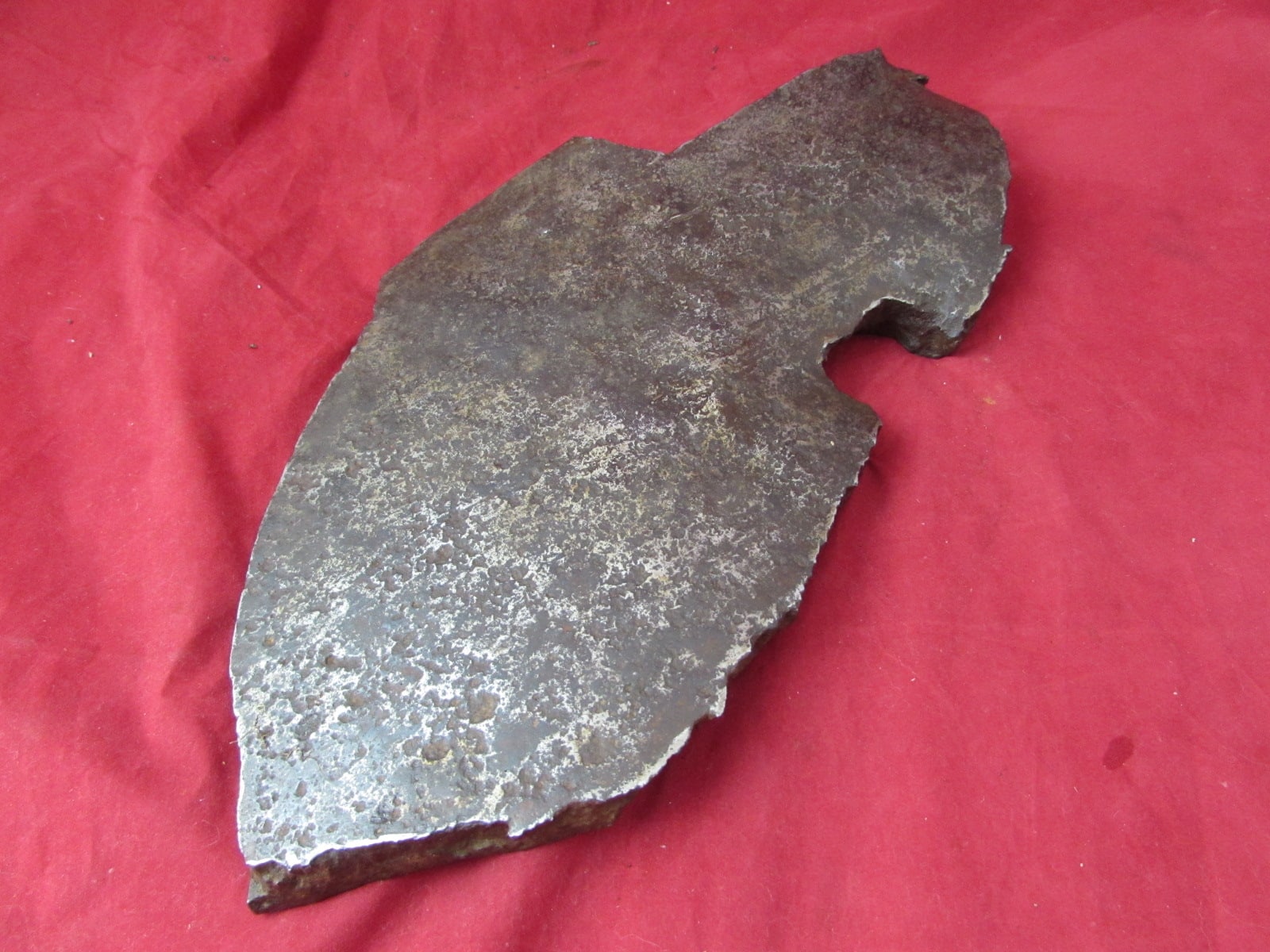
A fascinating and evocative original Second World War German armour plate fragment, recovered from the Dunkirk area of Northern France, and believed to originate from a Panzer II light tank destroyed during the Battle of France in 1940.
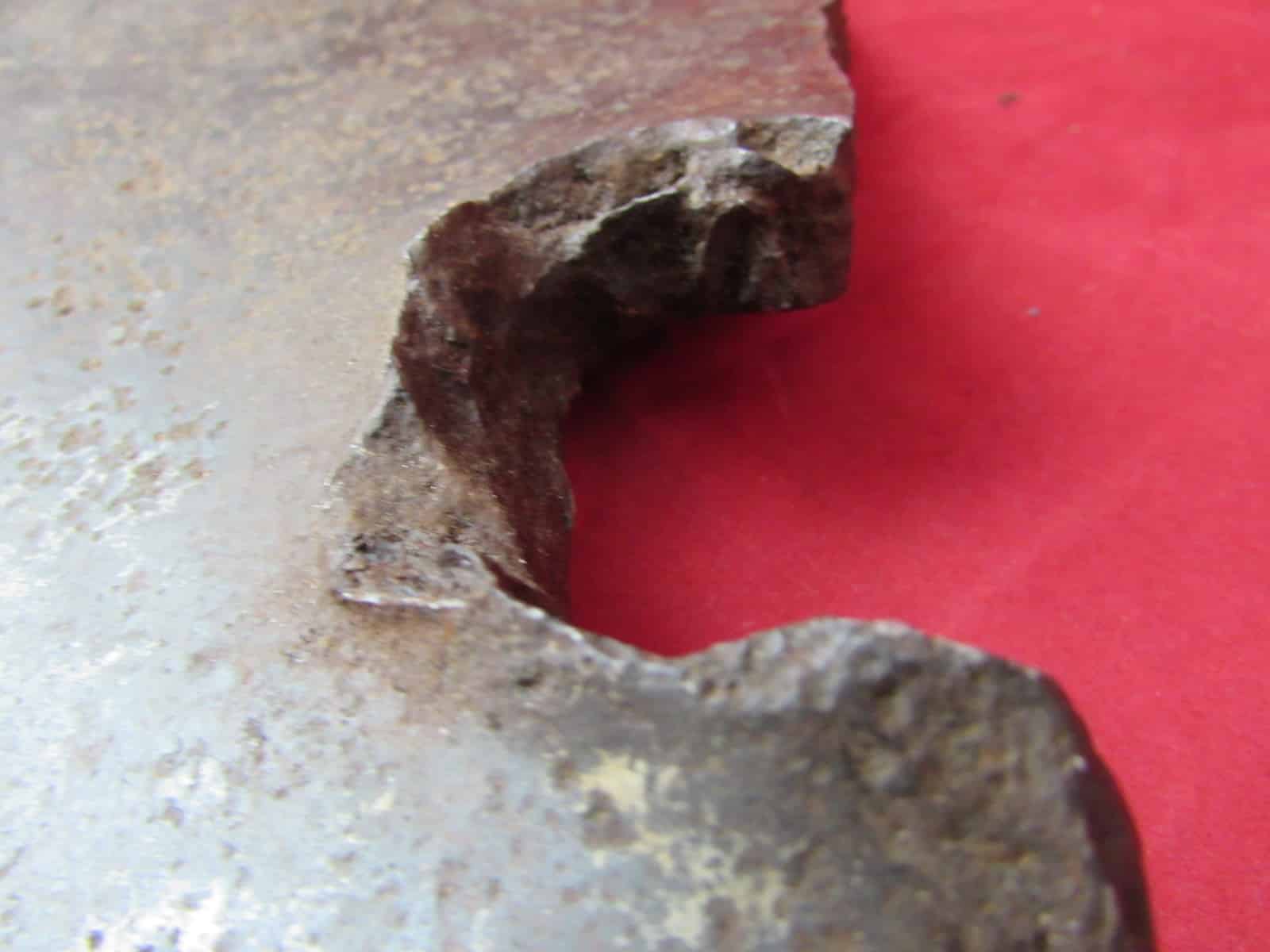
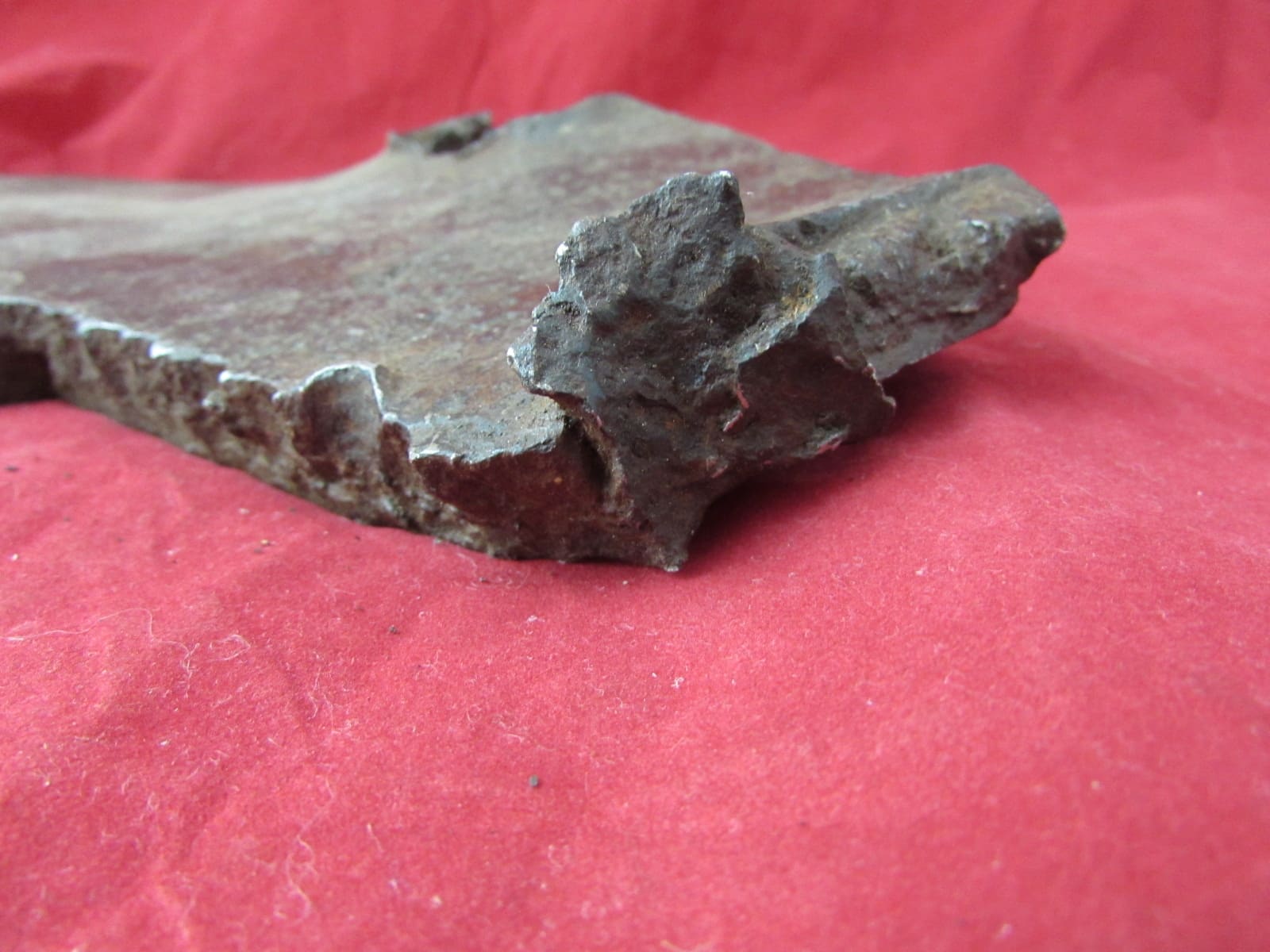
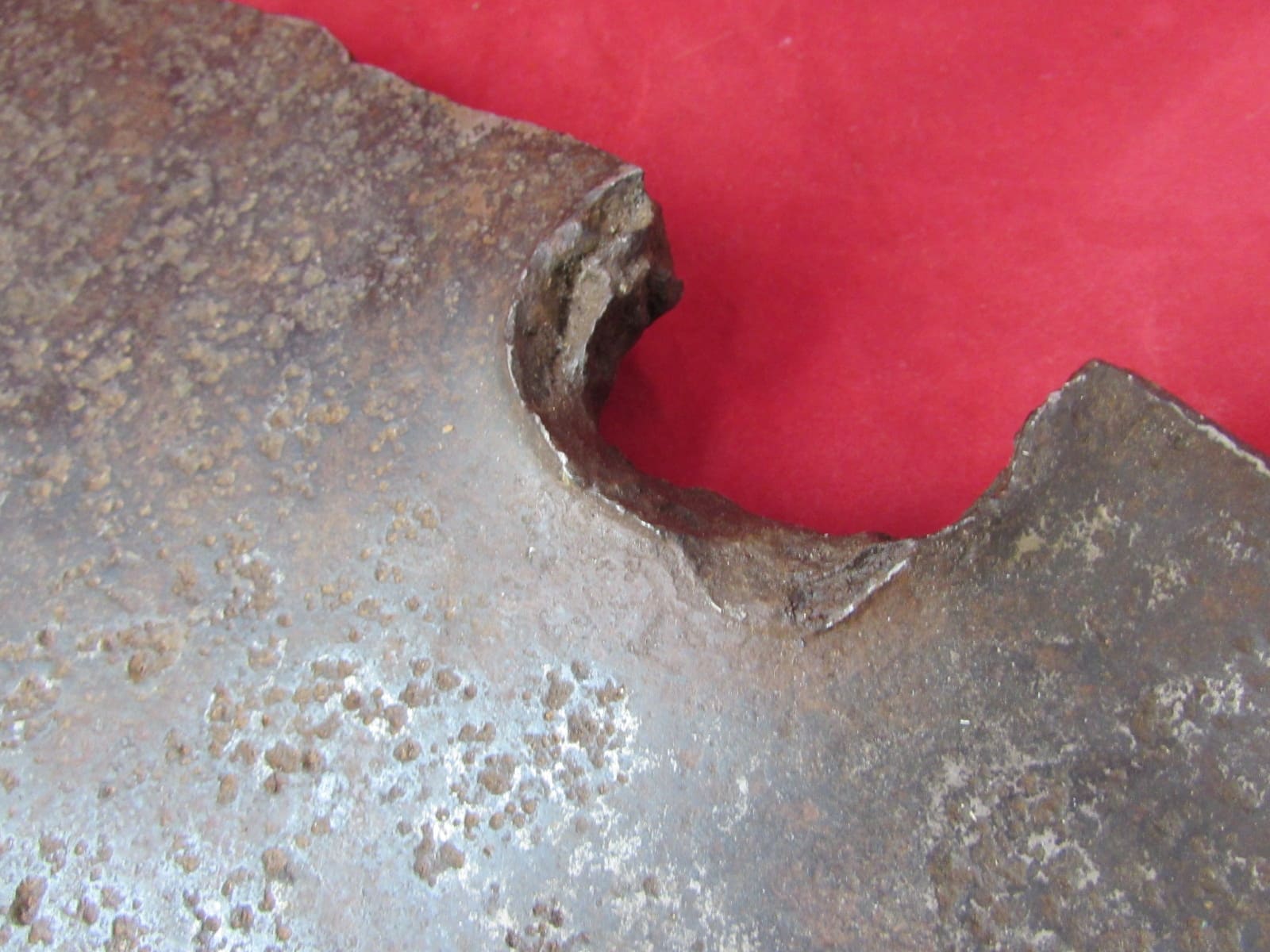
Manufactured from approximately 17mm thick rolled homogeneous armour plate, this substantial fragment displays dramatic battle damage, including a large armour-piercing impact that has torn through the steel, leaving heavy deformation and fractured edges. The plate due to it’s thickness indicates it once formed part of a structural section of the vehicle rather than being a simple flat armour panel.
The Panzer II (Panzerkampfwagen II) formed the backbone of Germany’s armoured divisions during the invasions of Poland and France. Although lightly armoured compared to later German tanks, it was instrumental in the rapid Blitzkrieg advance through Belgium and Northern France during May 1940. Early Panzer II variants typically carried around 14.5 mm -18 mm of rolled armour, with some vehicles receiving additional armour during the French campaign, particularly on vulnerable areas.
Recovered from the Dunkirk area, this relic almost certainly witnessed one of the most significant campaigns of the Second World War. During the fighting around Dunkirk, German Panzer divisions pushed Allied forces back towards the beaches, where over 338,000 British and Allied troops were ultimately evacuated during Operation Dynamo.
The damage visible to this fragment is entirely consistent with a high-velocity impact against armoured plate, producing severe tearing and fracturing around the strike area. Whether caused by British anti-tank fire during the fighting around Dunkirk or during the subsequent destruction of the vehicle cannot now be determined, but it remains an outstanding battlefield relic from one of the defining campaigns of 1940.
Heavy piece so postage will have to be paid for.
This is a superb display piece for collectors of:
German WWII militaria
Panzer relics
Battle of France and Dunkirk artefacts
Armoured vehicle history
Museum and battlefield collections
Condition
Original excavated battlefield condition with surface patination and corrosion consistent with many decades of burial. The armour remains extremely solid, and impressive battle damage.
Approximate Specifications
Origin: Dunkirk area, Northern France
Period: Second World War
Believed Vehicle: German Panzer II (Panzerkampfwagen II)
Material: Rolled homogeneous armour plate
Thickness: Approximately 17 mm
Armour-piercing battle damage
Size 16 in x 8 in
A remarkable and increasingly scarce relic from the Battle of France, offering a tangible connection to the desperate fighting around Dunkirk during May–June 1940.

World War II


Boots, Sale, Uniforms, World War II


Binoculars, Sale, World War II


World War II