Free UK Shipping | Enquire for Worldwide

£120.00
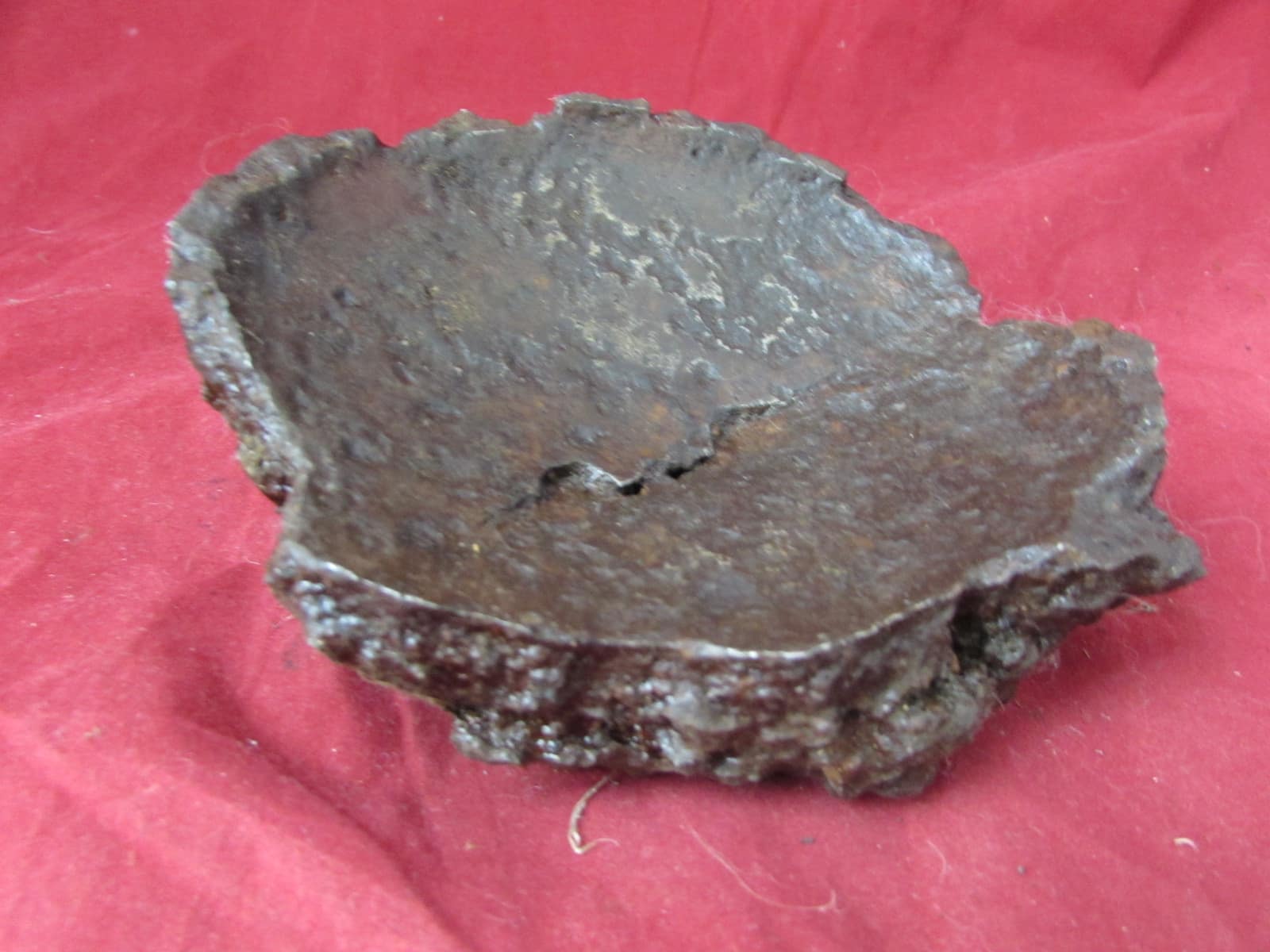
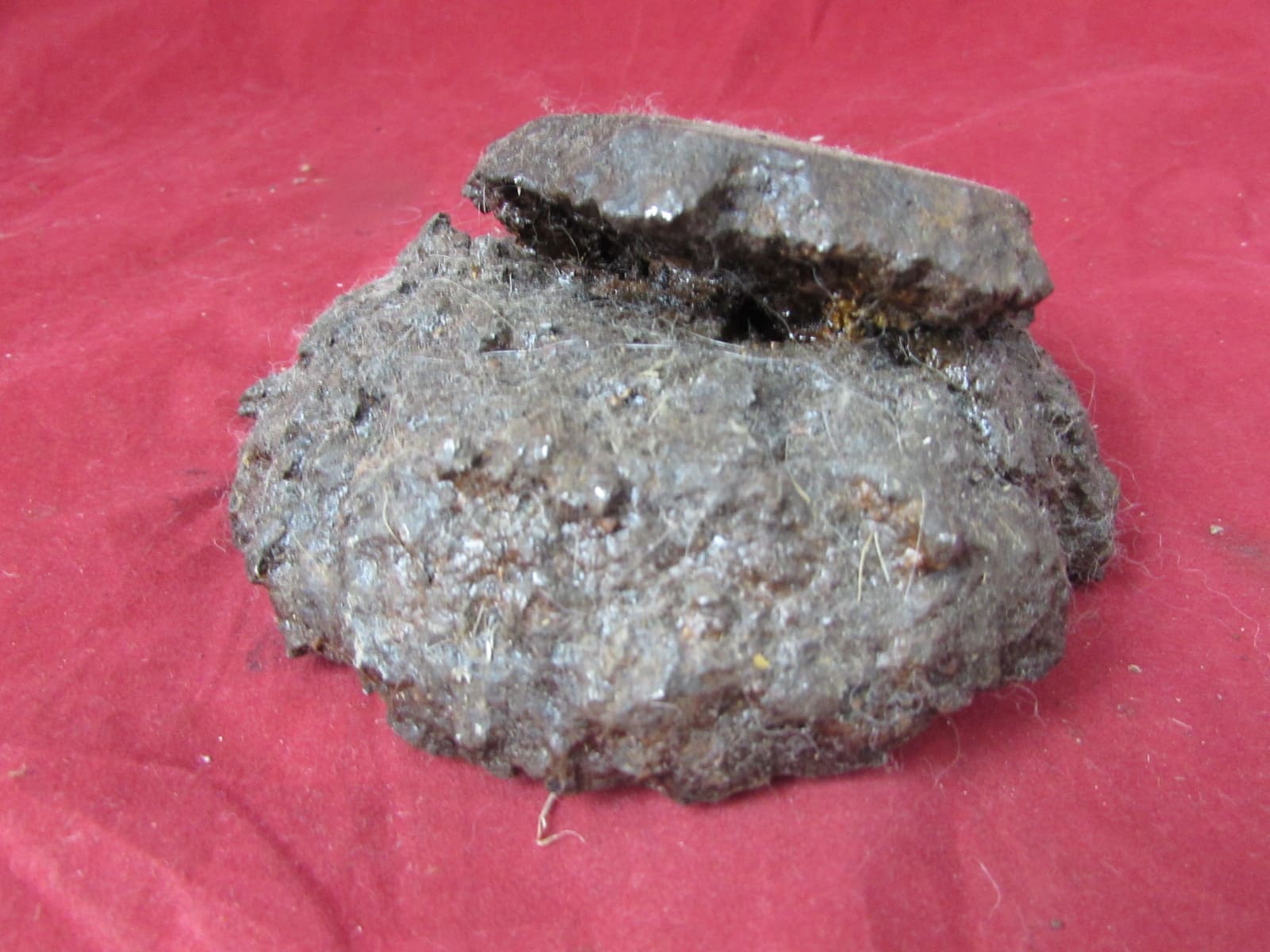
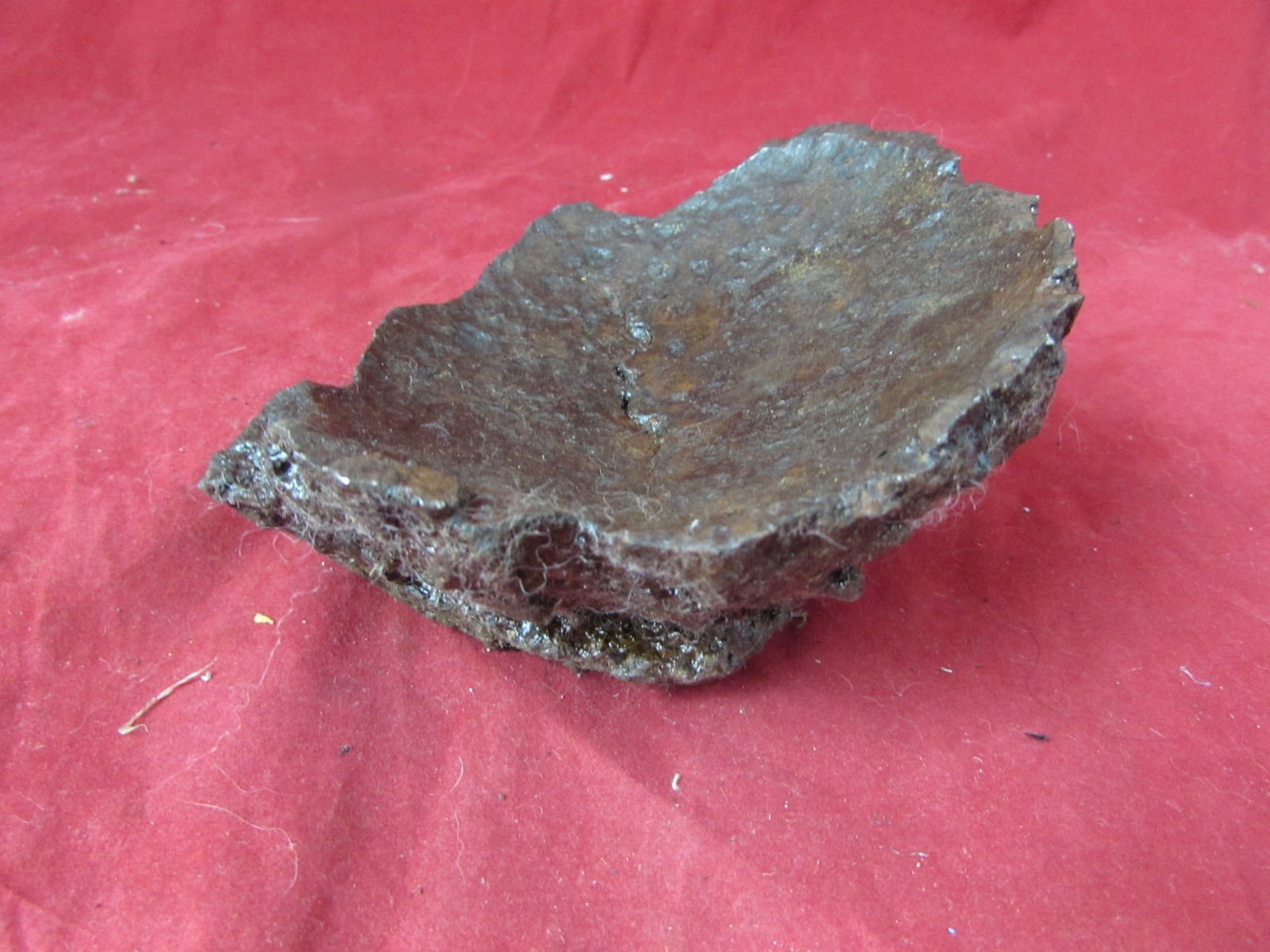
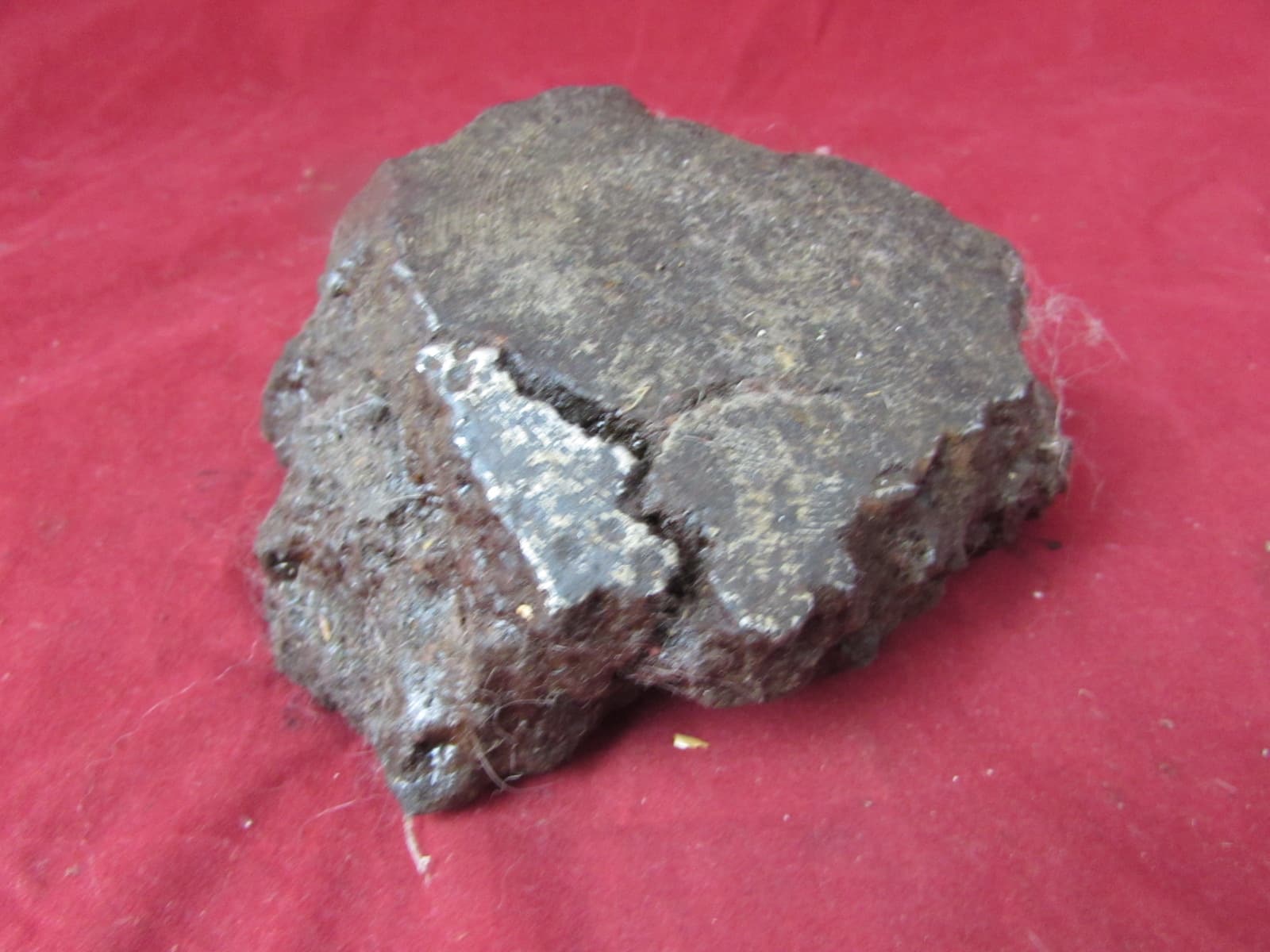
WW2 German Bomb Fragment – Southend-on-Sea, Essex – Large Fragment from 500kg/1,000lb Class German HE Bomb – Local Souvenir
A substantial and very interesting piece of Second World War German aerial bomb casing, reportedly recovered from the Southend-on-Sea seafront area in Essex.
This large metal fragment is understood to be part of the base section of a German high-explosive aerial bomb, believed to have been from a 500 kg (approximately 1,100 lb) German bomb, commonly described as a German 1,000 lb bomb.
WW2 German Bomb Fragment – Southend-on-Sea, Essex – Large Fragment from 500kg/1,000lb Class German HE Bomb – Local Souvenir
A substantial and very interesting piece of Second World War German aerial bomb casing, reportedly recovered from the Southend-on-Sea seafront area in Essex.
This large metal fragment is understood to be part of the base section of a German high-explosive aerial bomb, believed to have been from a 500 kg (approximately 1,100 lb) German bomb, commonly described as a German 1,000 lb bomb.
According to the history accompanying the piece, the fragment was recovered in or around the Southend-on-Sea seafront area and was retained locally as a wartime souvenir. It subsequently came from a local clearance, preserving an interesting piece of Southend’s wartime history.
Southend under attack
Southend-on-Sea and the surrounding Essex coast were exposed to German bombing throughout the Second World War. Surviving local records confirm that substantial quantities of German ordnance fell within the County Borough of Southend during the war.
A Southend-on-Sea Borough Council ordnance assessment, drawing on Home Office statistics, records 388 German high-explosive bombs falling within the County Borough between 1940 and 1945, in addition to parachute mines, oil bombs, phosphorus bombs and other ordnance.
The same assessment records that contemporary bombing information was compiled from Air Raid Precautions wardens, Civil Defence records and other local organisations, although individual bomb locations were not always preserved with complete accuracy.
This makes surviving pieces of bomb casing with a credible local Southend provenance particularly interesting, as they provide a tangible link to the aerial bombardment experienced by the town and its coastline.
A genuine wartime survivor
This is not a modern reproduction or manufactured souvenir, but a surviving section of wartime German bomb casing, subsequently retained as a local souvenir.
The heavy construction and substantial thickness of the metal are characteristic of the casing used for German high-explosive aerial bombs. The fragment represents only a small surviving section of a weapon that would originally have contained a substantial explosive filling.
Please note: the precise bomb type, exact location of impact and exact date of the incident have not been independently established. The family/local history supplied with the item states Southend seafront and 1942. The dating is therefore offered as provenance rather than as a formally documented bomb-census identification.
An excellent piece of Essex wartime history
An unusual and very displayable piece of WW2 German aerial bomb relic, with a strong local connection to Southend-on-Sea and the Essex coast.
A particularly good item for a collection of:
Battle of Britain & Blitz memorabilia
Essex wartime history
Southend-on-Sea local history
German Luftwaffe relics
WW2 aerial warfare
Bomb and air-raid artefacts
Home Front memorabilia
Wartime battlefield relics
Condition: Original wartime bomb casing fragment, showing the expected age, corrosion and surface wear associated with long-term storage and its history as a recovered wartime relic.
Provenance: Southend-on-Sea, Essex, from a local clearance; retained as a wartime souvenir.
An evocative piece of original German ordnance casing with a fascinating connection to the wartime history of Southend-on-Sea.


