




After ten years of cooperation, the Dodge brothers became concerned that Ford, being their predominant customer, would sooner or later undertake this machining work themselves leaving them without any work.


They gave Ford 12 months notice of their intention to end their contracts and then concentrated on designing and building their own cars.
Their first car was the four-cylinder Model 30/35 touring car which came on to the market in November 1914. It was never their intention to offer a direct competitor to the Ford Model T but to offer something better. The Dodge had 35hp (compared to the Ford Model T which had 20hp); a 12-volt electrical system, a sliding gear transmission and a body that was completely made of steel.
With Dodge’s reputation for high quality and reliability, sales soared from 249 in the last two months of 1914 to 45,053 in 1915. It would not be long before the US Army took an interest in the Dodge.
On March 9, 1916, the Mexican bandit Pancho Villa led a band of around 500 men and crossed over the border into the American garrison town of Columbus. By the following morning, several of the buildings had been burned to the ground: eight American soldiers and nine civilians died. It had not all gone the bandits’ way though as 67 of them lay dead in the town and a further 100 died as they were chased back to the border.
The US public was outraged, and President Wilson appointed Brig Gen John Pershing to lead a punitive expedition to capture Villa. Pershing was already an advocate of motorisation and to assist in transporting supplies he arranged for the purchase of a range of motor vehicles.
Among those were some Dodge Model 30 touring cars. The exact number is not recorded, but what is known is that Pershing used one as a staff car and that Lt George Patton used three Dodges to launch a successful motorised raid on a farmhouse where some of Villa’s bandits and his most trusted lieutenant were hiding.
In February 1917, the hunt for Villa came to an end and Pershing’s expedition crossed back over the border into the United States. A few weeks later the United States declared war on Germany and Gen Pershing was ordered to lead a force overseas: once again the Dodge tourer would accompany him.
Despite wartime shortages of certain materials, the production of Dodge cars increased to around 70,000 in 1916 and a remarkable 124,000 in 1917, although most of these cars were supplied to the domestic civilian market.
Needing what was termed a ‘medium’ motor car, the US Army ordered 8,559 softtop and 3,201 hard-top Dodge staff cars of which a total of 3,390 arrived in France by the end of the war. Also, a further 550 twoseater Roadsters were ordered but all of these remained within the United States.


‘At the end of the war, like most American vehicles which had been despatched to Europe they were left behind’
The Dodges which were despatched to France initially came over in their civilian configuration and received a hand-brushed coat of green paint and markings shortly after arrival. However, with shipping space at a premium and to prevent damage, there was a change of plan and Dodge cars were shipped directly from the factory partially knocked down in wooden packing crates.
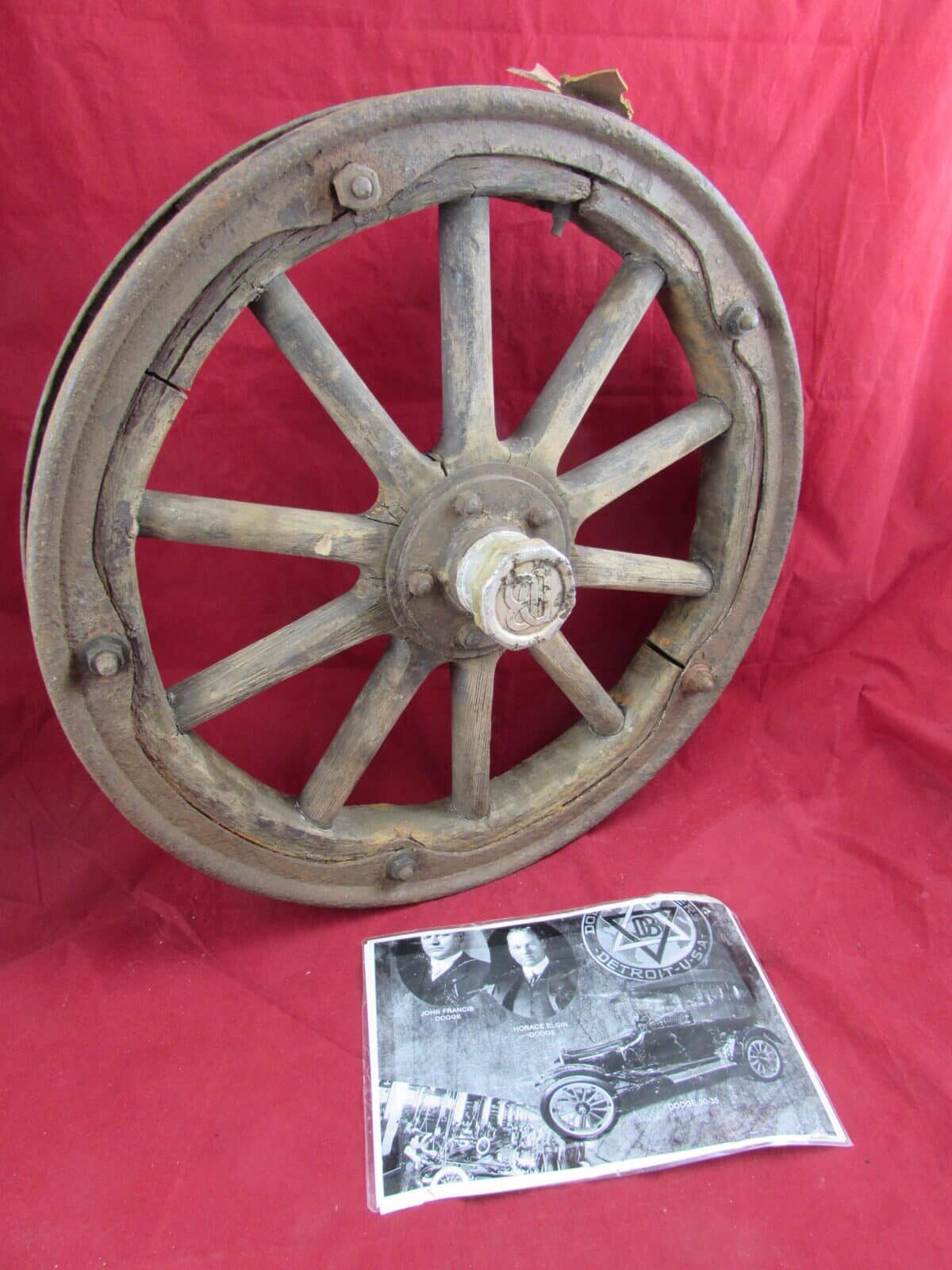
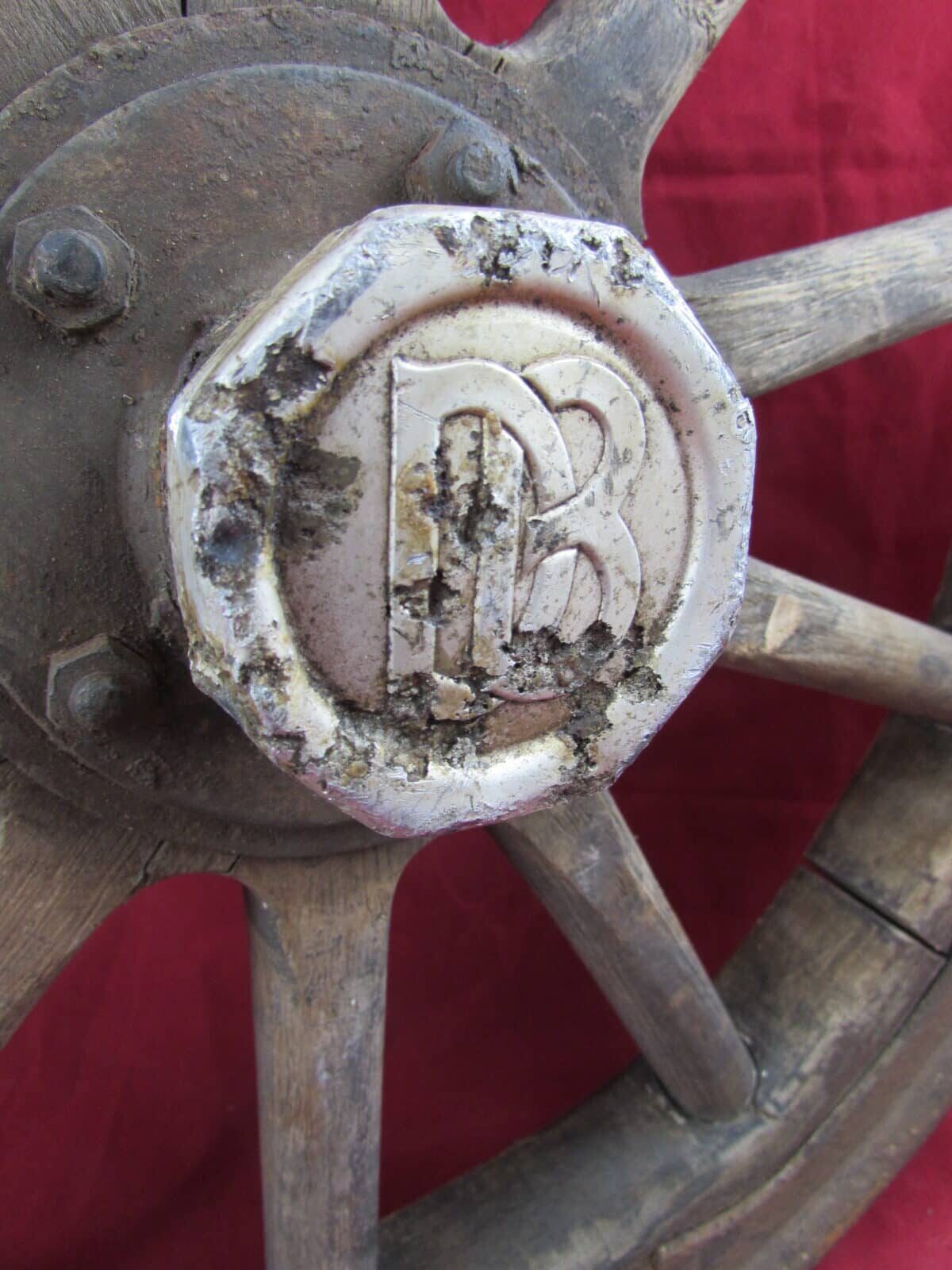
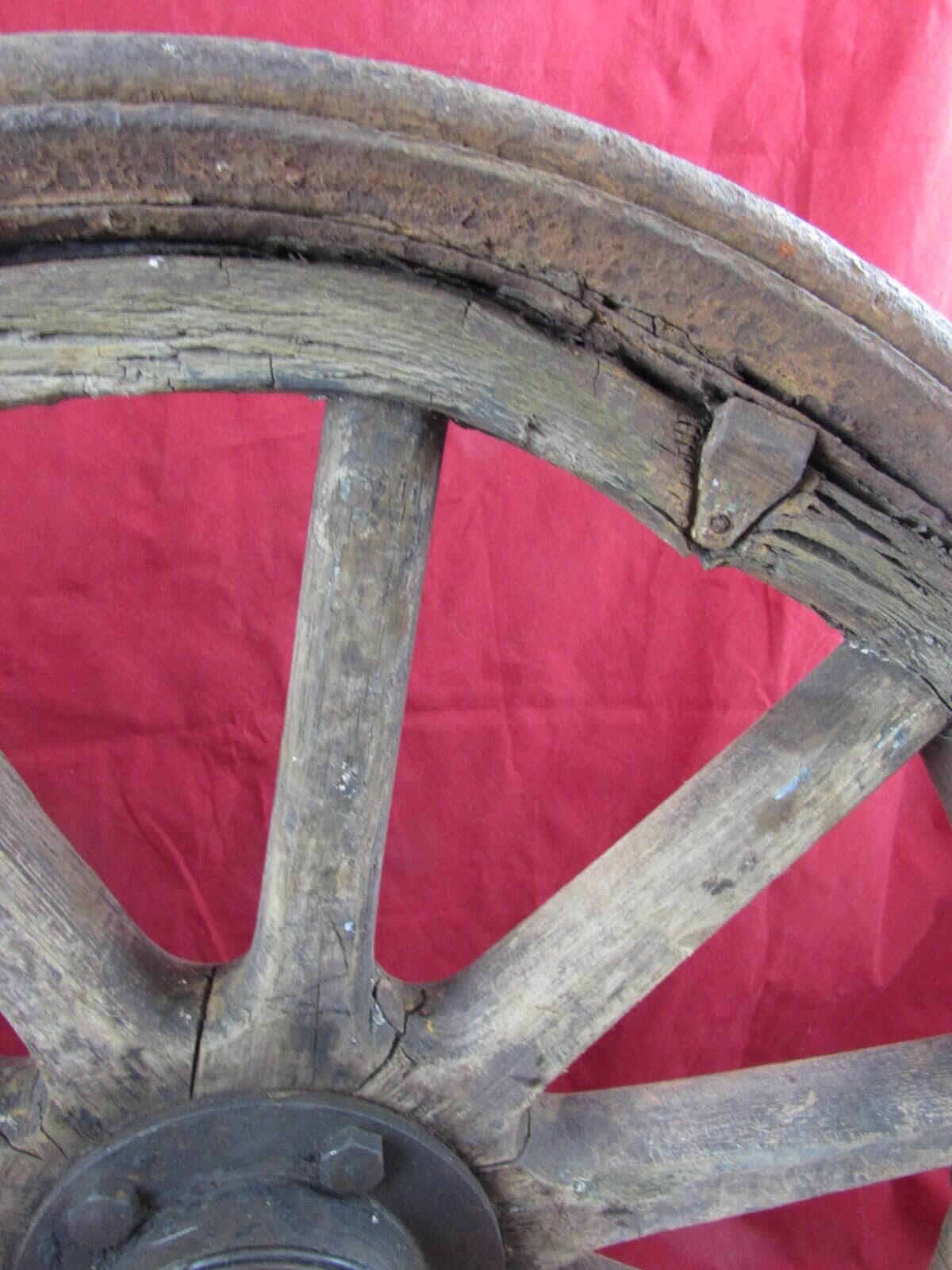
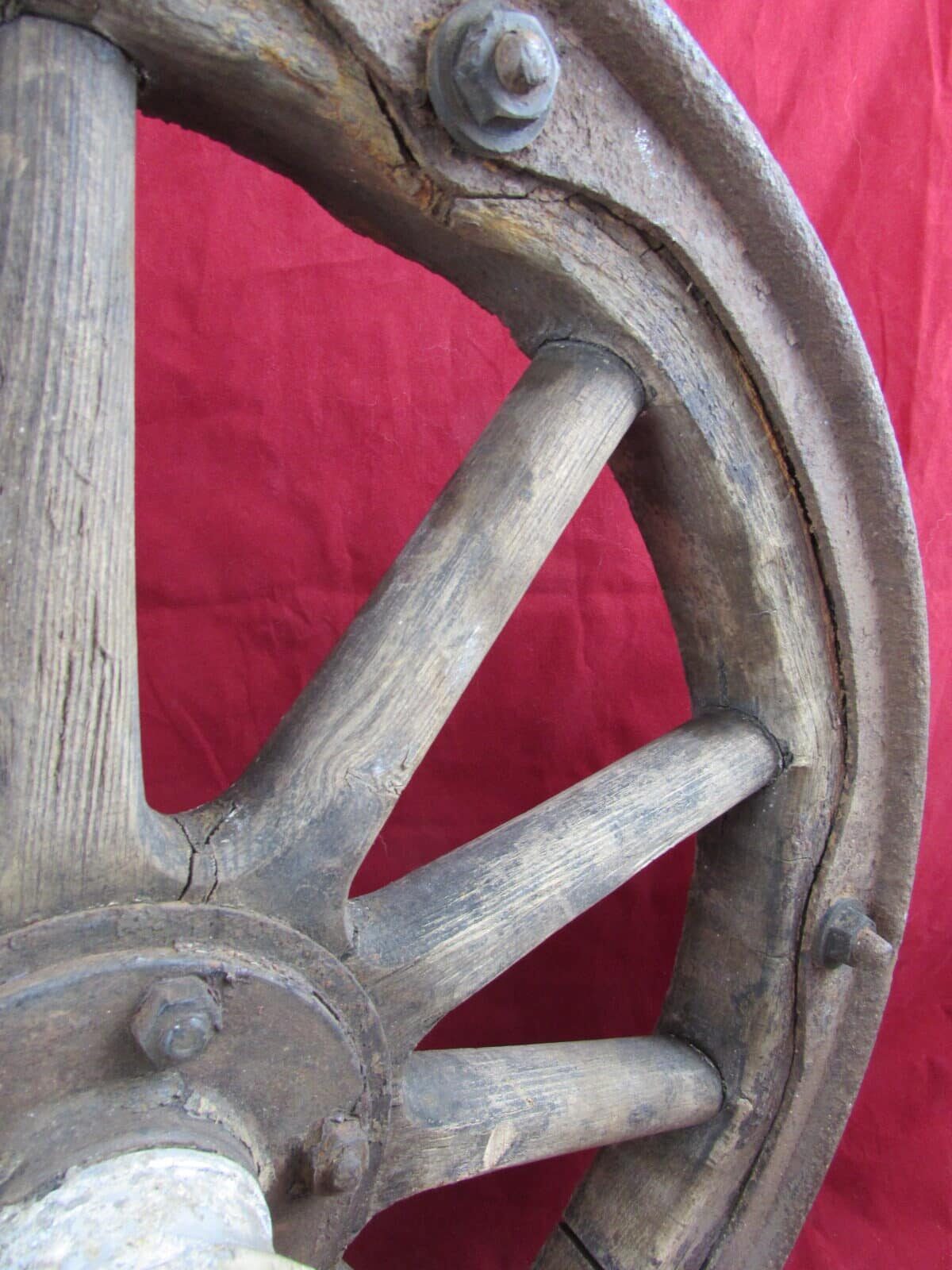
Minor adjustments were applied to the Dodge cars built for the army. From January 1917 they were fitted with seven bolt Kelsey wheels which allowed for the speedy unbolting of a wheel rim so that a replacement rim already fitted with a tyre could be quickly exchanged if necessary. Therefore, a whole new spare wheel need not be carried, just a spare tyre on a rim.
By early 1918, the black roof was replaced with one made of green canvas. Throughout the war, the suppliers of some of the electrical components changed, but that was probably due to supply issues.
The Dodge chassis made a useful light commercial vehicle and 9,352 were ordered as light delivery trucks (having the appearance of a pick-up truck) and a further 1,012 as light repair trucks. The light repair truck was fitted out with tools and equipment to make in the field repairs to artillery and motor transport.
One interesting difference between the light repair truck and the staff car was that the light repair truck had a hand-crank start as opposed to electric and that it had paraffin side lamps and an acetylene spot lamp as opposed to electric lights. By the end of the war 436 of these light repair trucks had arrived in France, but their body and tools were shipped separately and only 362 sets of these arrived in time.

At the end of the war, like most American vehicles which had been despatched to Europe, they were left behind. Congregated in large depots, those in France were ultimately sold to the French Government while those in occupied Germany were sold to a British consortium for refurbishment and resale.

‘Despite wartime shortages of certain materials, the production of Dodge cars increased to around 70,000 in 1916 and a remarkable 124,000 in 1917’
HEAVY ITEM SO POSTAGE WILL HAVE TO BE PAID FOR.


